1. Make the vehicle safe
Nobody sits inside. The crew sets up protection and puts on gloves, eye protection and protective clothing.
Eagle Pass, TX · Maverick County
Call (877) 812-4220 if a vehicle in Eagle Pass needs more than a wash. The work includes cleaning up blood and body fluids, treating smells that cling to fabric and disposing of contaminated parts.
If anyone is in danger, call 911 first. For a suicide crisis, call or text 988.
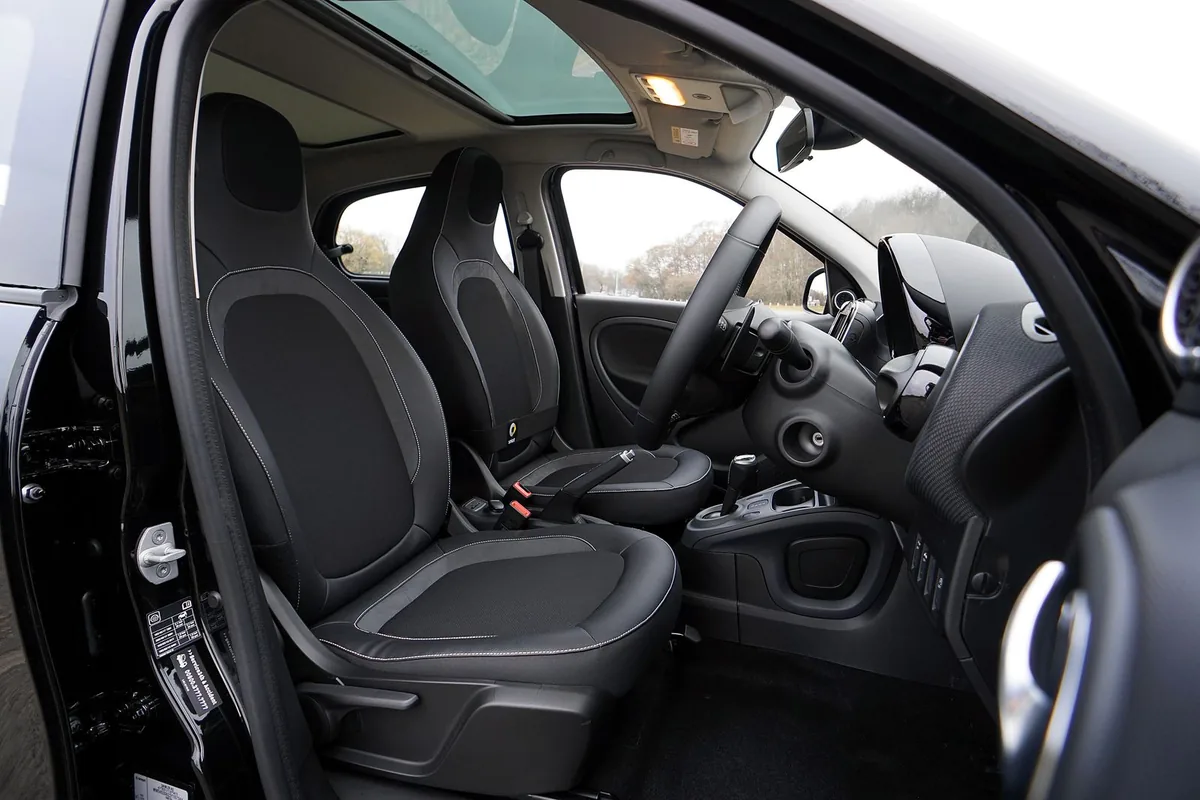
A biohazard vehicle is one that has been contaminated with blood, vomit, urine, feces or decomposition. Such a car cannot be cleaned with soap and a vacuum, because the fluids soak into foam and carpet.
When your vehicle needs decontamination in Eagle Pass, you get the crew, the protective gear and the disinfectants from Eagle Pass Biohazard Cleanup Help. Soaked parts are removed and hauled away as regulated waste.
Dry air in Eagle Pass can bake fluids into seats and carpet, so the smell may persist even when the vehicle looks clean. Vehicles that carried someone to Fort Duncan Medical Center in Eagle Pass often have blood or fluids on the seats, and cleanup can begin once everyone is safe.
Vehicle Biohazard Cleanup in Eagle Pass usually includes:
Nobody sits inside. The crew sets up protection and puts on gloves, eye protection and protective clothing.
Cleaners set up protection, seal off the working area and keep people away from the vehicle.
Fluids, stained upholstery and contaminated debris are removed. Surfaces that can stay are cleaned and disinfected.
The crew inspects each affected area, hauls away the waste and can provide notes for insurance claims.
Most vehicle biohazard cleanup jobs in Eagle Pass, TX cost between $500 and $5,000, based on published cost guides.
Where the vehicle sits can change the price. Work in a garage is simpler than work in an open lot or tow yard.
| Type of job | Typical range |
|---|---|
| Vehicle biohazard cleanup | $500 - $5,000 |
Figures are planning ranges from BioCleaners Directory, not a price for any specific Eagle Pass property. Price drivers include type of interior materials, how serious the event was, time since the event, air system decontamination. Call (877) 812-4220 any hour.
It usually means the interior was contaminated by blood, body fluids or similar material, and cleaning or repair is needed. Insurers and sellers may use the phrase when a vehicle was exposed to hazardous contamination.
Often, yes. Crews can work in a driveway, garage or lot, depending on space, weather and the extent of the contamination. Some vehicles are moved to an enclosed space to keep the work private and contained.
A vehicle where a death occurred is cleaned only after law enforcement or the medical examiner releases it. The team removes contaminated materials, disinfects and treats odor, which can settle into seats, headliner and vents.
It may, or it may not. It depends on whether an insurer, a salvage record or a title brand noted the contamination. Ask the seller, the insurer or the title office, and keep cleaning records.
It refers to a vehicle damaged by a biohazard, such as blood or body fluids, or by a chemical spill. Both kinds of contamination call for protective gear and specialized cleaning. A cleanup team can tell which applies after seeing the vehicle.
It does not cover regular car accidents. If a crime happened in the vehicle, ask the Attorney General's office whether your case qualifies, at (800) 983-9933. Businesses and organizations cannot apply.
One call starts the cleanup, disinfection and disposal.
Call (877) 812-4220